
The Thrill of the Game
Casinos are often seen as excitement hubs, offering an environment filled with energy and anticipation. The thrill of betting and the chance of winning can create an adrenaline rush that keeps individuals coming back to a fast withdrawal casino where the exhilarating atmosphere often overshadows the potential risks associated with gambling. The lights, sounds, and ambiance of a casino create a sensory experience that is difficult to resist, drawing players into the action, regardless of the odds.
Moreover, the social aspect of casinos cannot be overlooked. Many individuals enjoy visiting casinos not just for the games but also for the opportunity to socialize. Engaging with friends or meeting new people while enjoying a game adds a layer of enjoyment, turning gambling into a communal activity rather than a solitary one. This sense of belonging and shared excitement can be a significant factor in why people are willing to overlook potential pitfalls.
Additionally, the allure of winning big can be a powerful motivator. Stories of personal triumphs, where individuals walked away with life-changing sums of money, circulate widely, enticing many to try their luck. Such narratives often overshadow the reality that most players will not experience such success, leading them to underestimate the risks involved while focusing on the potential rewards.
Psychological Factors at Play
The psychology of gambling plays a crucial role in why individuals flock to casinos. Cognitive biases, such as the illusion of control, lead players to believe they have influence over outcomes that are fundamentally based on chance. This can prompt frequent visits to casinos, as players feel empowered and convinced that their next bet could be the winning one. This false sense of confidence can diminish awareness of the inherent risks of gambling.
Furthermore, casinos are adept at creating environments that promote continued play. The design of a casino, with its lack of windows and clocks, encourages patrons to lose track of time, often leading to extended sessions of gambling. This psychological manipulation fosters a sense of urgency to play more, as players may feel that their luck could change at any moment, reinforcing the cycle of play despite the risks involved.
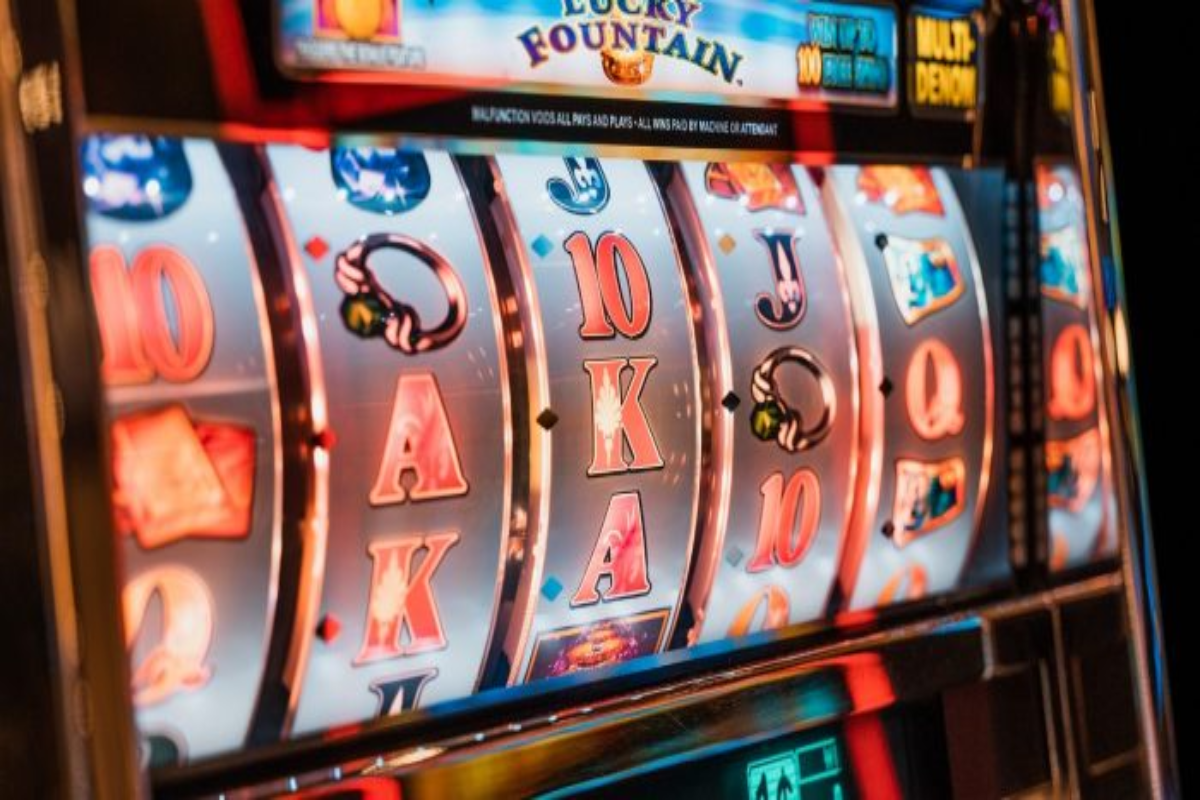
Another significant psychological factor is addiction. For some individuals, the thrill of the game can lead to gambling disorder. This condition compels players to continue wagering even when they know it could lead to financial and emotional hardships. The rush of winning, combined with the challenges of quitting, creates a complex relationship with gambling that not only justifies risky behavior but can also turn it into a compulsive habit.
The Role of Marketing and Promotions
Marketing strategies employed by casinos significantly attract customers. Promotions such as free drinks, complimentary meals, and loyalty programs incentivize people to visit. These incentives create an impression of additional value, drawing individuals in despite the risks associated with gambling. Players may rationalize their spending, viewing it as a form of entertainment rather than a financial gamble, further entrenching them in the casino environment.
Additionally, targeted advertising can amplify interest in casinos. With the advancement of digital marketing, advertisements can reach potential players through social media, email, and various online platforms. This modern approach ensures that casinos remain relevant in an ever-changing entertainment landscape, consistently reminding individuals of the thrill they can experience, even as they downplay the associated risks.
Promotions often highlight the potential for winning large jackpots, using imagery that evokes excitement and aspiration. This type of marketing can play on individuals’ desires for financial gain and the hope of improving their quality of life through a single big win. As such, it not only entices new players to try their luck but also keeps seasoned gamblers returning, reinforcing the cycle of play versus the reality of loss.
Social Influence and Cultural Norms
Social circles heavily influence gambling behavior, with friends and family often shaping individual attitudes towards casinos. In many cultures, visiting a casino is seen as a legitimate pastime or celebration, particularly during holidays or special events. This cultural acceptance can normalize gambling and encourage individuals to participate, often ignoring the risks involved as it becomes a social engagement.
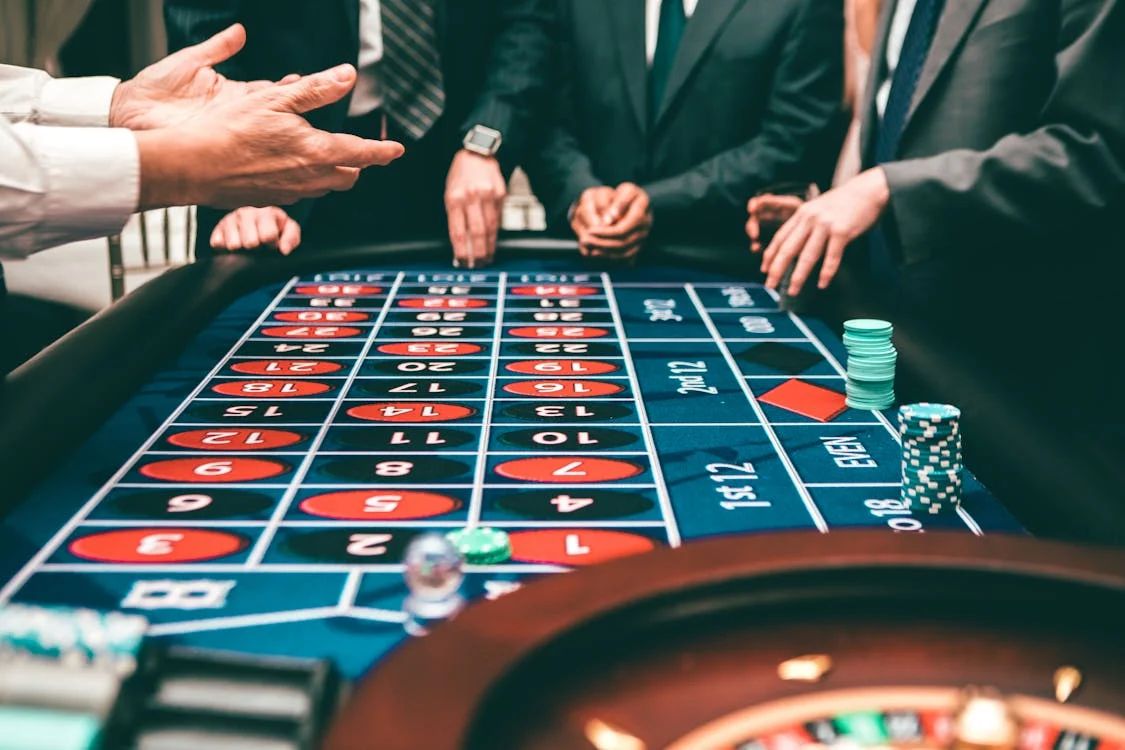
Peer pressure can also play a pivotal role in the decision to visit casinos. Individuals may feel compelled to join friends in the casino experience, believing they are missing out on fun and camaraderie if they abstain. This social dynamic can lead to an increased tolerance for risk as players group themselves in environments where gambling is perceived as a collective adventure rather than a personal financial decision.
Moreover, sensationalized portrayals of gambling in movies and television can glamorize the casino experience, reinforcing the idea that success is attainable. These portrayals do little to highlight the risks and realities of gambling, instead focusing on the excitement and luxurious lifestyle that can accompany a big win. As a result, individuals may be drawn to casinos, seeing them as gateways to wealth and fortune, often overlooking the warnings of potential losses.
Final Thoughts on Casinos and Risk Awareness
While the allure of casinos is undeniable, it is essential to recognize and understand the inherent risks involved. Those who visit casinos must approach gambling with an awareness of the odds and the potential for loss. Responsible gambling practices should be emphasized to help protect individuals from the negative consequences of excessive play. Education on gambling risks and promoting healthy gaming habits can foster a more balanced approach to casino entertainment.
Ultimately, the paradox of why people flock to casinos despite the presence of risks is rooted in a complex web of psychological, social, and cultural factors. As long as the thrill, excitement, and potential for rewards exist, individuals will likely continue to be drawn to the casino experience. Raising awareness about responsible gambling while embracing the entertainment value of casinos may help balance the scales between excitement and caution.
For those looking to navigate the world of casinos responsibly, our website serves as a valuable resource. We provide insights, strategies, and tips to promote safe gambling practices while still enjoying the exhilarating experience that casinos offer. By understanding the risks and being informed, players can make better choices and enjoy their time in casinos more responsibly.
